Generating Extra Income for Small Breweries by Utilizing Existing Equipment – Featured Solution
Having a small operation means you’re agile, correct?
You can respond swiftly without corporate hurdles.
However, sales can fluctuate – seasons change, tastes evolve, and suddenly your main product isn’t selling as quickly.
Here’s where extra earnings for small breweries using existing equipment comes in.
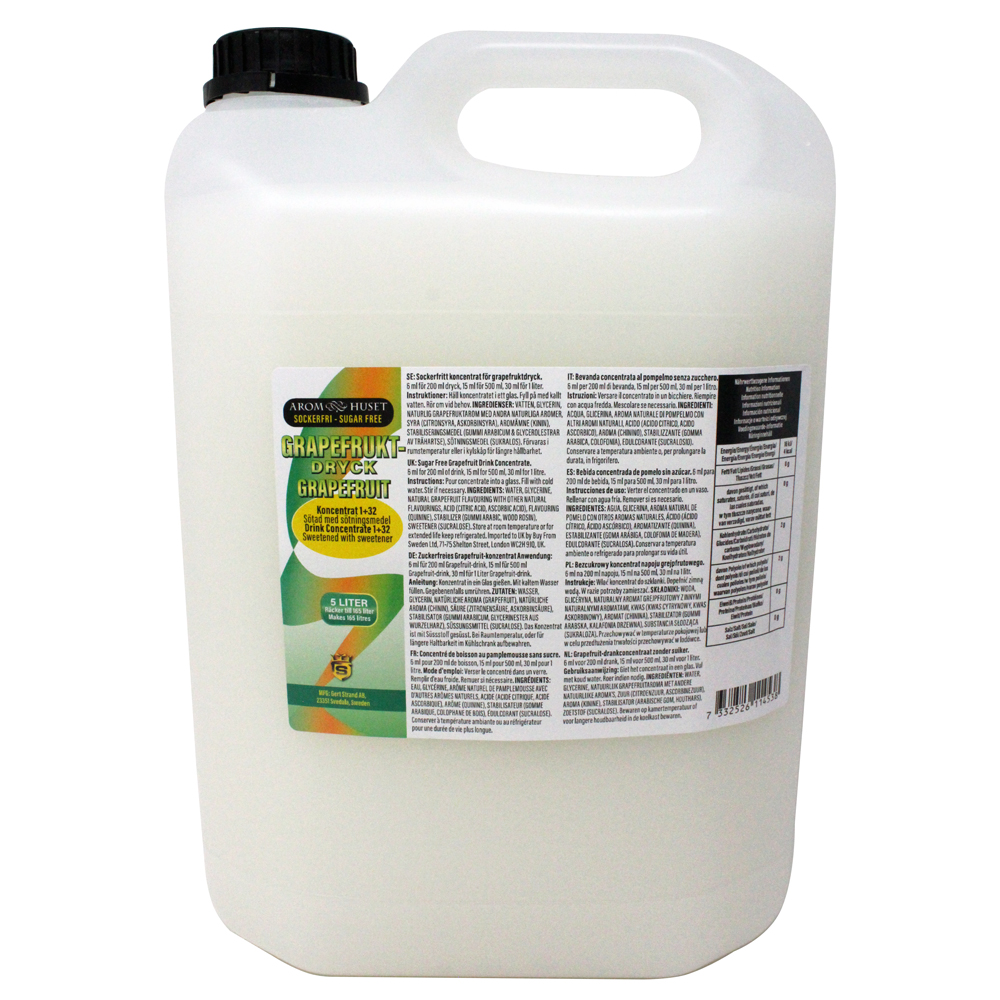
Aromhuset’s concentrates allow you to create still drinks (imagine flat, refreshing sodas without bubbles) that are sugar-free, delicious, and distinctive.
This has not been offered in concentrate form by anyone else on the market – until now.
Envision this: your microbrewery’s bottling line, usually in operation with beer or cider, is now manufacturing bottles of zesty grapefruit still drink or exotic fruit explosion
Enthusiastic customers are drawn to the healthy aspect of the drink – zero sugar, with sweetness derived from a natural-tasting sucralose that is 600 times sweeter, resulting in a sugar-free drink that goes unnoticed
We’ve tried them ourselves: just a few millimetres in the bottom of a glass, topped with still water, and boom – incredibly refreshing, no weird aftertaste
A satisfying and well-balanced soda is achieved with the delicate sweetness contrasting with the tangy notes
Designed for micro distilleries, breweries, and small bottlers by Gert Strand AB in Sweden, Aromhuset crafts these products
Key perks that make this a no-brainer:…Sweetened with high-purity sucralose – made from sugar but insanely sweet, so tiny amounts do the trick. No acesulfame or aspartame, which can leave a bitter edge. Tastes clean and real.
Mix and match flavours: All varieties blend seamlessly. Create your own signatures, like a grapefruit-passionfruit twist or banana-rhubarb fusion.
The most popular sorts? Grapefruit, Pineapple, Rhubarb, Grapefruit-Passionfruit, Banana, Blood Orange, Fruit Explosion, Grapefruit-Blood Orange, Gooseberry, Lemon-Lime, Raspberry, Strawberry, and Passionfruit
The beauty of it is, there’s no need for new equipment
Here’s a basic rundown of the process
Grab your concentrate: Get it from Aromhuset. Begin with a small amount for testing – like a 500ml bottle of Grapefruit to experiment with.
Mix things up: In your tank, combine 1 part concentrate with 32 parts of filtered still water. Gently stir – finished within minutes. No need for heat, no trouble.
How much does it cost? A 500ml concentrate could be priced at £3, leading to 16.5L – approximately 50 x 330ml bottles
Health trends are massive – folks want sugar-free without sacrificing taste
With no competition in concentrate form, you have the opportunity to be the first mover
Non-alcoholic drink sales in the UK surged by 20% last year, driven by the popularity of zero-sugar options
Target markets:
Managing Typical Obstacles: Important Considerations
Let’s be practical – there are a few points to keep in mind:
The quality of water is important – opt for filtered or spring water for the best taste
Immerse yourself in flavors: Grapefruit is a sharp, wake-up call
Pineapple provides a tropical escape
Rhubarb tangy nostalgia
Mix Grapefruit-Passionfruit for a tangy adult sip
All mixable – create “Brewer’s Berry Blast” or any blend that suits your brand
Ready to get started?
Run a 10L test batch on quiet day.
Mark with a label, sell locally, and gather feedback.
Grow in size, put online, and pitch to pubs.
This is extra income for small breweries using existing equipment at its finest – low risk, high reward, fun flavours.
Your equipment is ready; Aromhuset offers the secret ingredient.
Try it out and see your earnings bubble up (well, figuratively) increase.
Congratulations on that!